

Introduction
Modafinil is one of many prescription medications used to help people with certain sleep disorders stay awake during the day. At ModafinilBrisks, we provide trusted information about Modafinil and its safe use. It is often used to treat narcolepsy, obstructive sleep apnoea (when people are still too sleepy during the day even after treatment), and shift work sleep disorder. Many people can handle the drug well, but it’s important to know about the Modafinil side effects before you start taking it.
Like all prescription drugs, Modafinil can make you feel bad in some ways. Side effects can range from mild pain to very serious reactions. Side effects may occur more or less often, or be milder or stronger, depending on factors such as the dose, any underlying health problems, other medicines being taken, and how the person reacts.
Here are some of the most common, dangerous, and long-lasting side effects of Provigil. This is done to help people in Australia make smart decisions with their doctor.
What Is Modafinil?
Modafinil is a drug that can only be bought with a prescription and helps you stay awake. It’s not like other stimulants because it affects alertness through multiple pathways in the brain, though no one really knows how it works.
Medical professionals mostly recommend modafinil for:
- Lack of sleep (Narcolepsy)
- SWD stands for shift work sleep disorder.
- Obstructive sleep apnea can cause daytime sleepiness.
Because modafinil affects the brain and nervous system, it should only be used under a doctor’s care and at the exact recommended dose.
Common Modafinil Side Effects
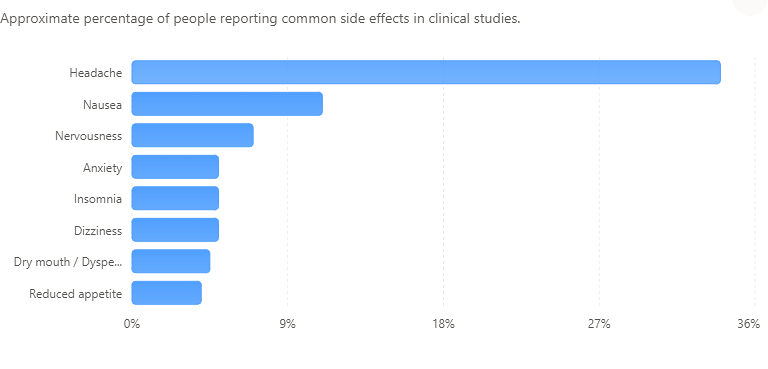
Most people either don’t have any side effects or only have mild ones. As the body gets used to the medicine, these signs usually get better.
1. Headache
A lot of people who take Modafinil 200 mg (Provigil) say that it gives them headaches.
They could happen because of changes in brain function, not drinking enough water, or not getting enough sleep. Headaches may be less likely to happen if you drink enough water and take your medicine as directed.
2. Nausea
Some people have mild stomach pain, nausea, or loss of appetite right after taking modafinil.
If your doctor says it’s okay, taking the medicine with food may help ease any stomach problems you might be having.
3. Dry Mouth
When you don’t make as much saliva, your mouth may feel dry.
Some simple steps are:
- Sticking to drinking water
- Using sugar-free gum to chew
- Using artificial spit if told to do so
If you have persistent dry mouth, you should talk to a doctor or nurse because it may raise your risk of dental problems.
4. Difficulty Sleeping (Insomnia)
Since modafinil makes you more awake, taking it too late in the day might make it hard to sleep normally.
Most doctors say that people who work shifts should take modafinil early in the morning or as recommended to keep their sleep as normal as possible.
5. Nervousness or Anxiety
Some users report:
- Feeling restless
- Increased nervousness
- Mild anxiety
- Irritability
People who have had anxiety problems in the past should talk to their doctor about these risks before starting treatment.
6. Dizziness
Mild dizziness may occur, especially when you first start taking Provigil.
Be extra careful when driving, operating machinery, or doing anything that requires your full attention until you know how the medicine affects you.
7. Reduced Appetite
Modafinil has been known to make some people feel less hungry. Eating well-balanced meals and getting enough nutrition is important, especially if your appetite changes don’t go away.
Many of the most common Modafinil side effects are linked to factors you can control, such as taking the correct dose, staying hydrated, and using it at the right time of day. Making a few simple adjustments can often improve your experience and reduce unwanted effects. For more practical guidance, explore our complete Modafinil safety guide.
Serious Modafinil Side Effects
Some side effects are very rare, but they need to be treated right away by a doctor.
Severe Skin Reactions
Some people who take modafinil have had serious skin reactions.
Get medical help right away if you develop:
- A lot of rashes
- Skin that is burning
- Skin that peels
- Sores in the mouth that hurt
- A fever and a rash
These signs could mean that you are having a serious allergic or skin reaction that needs to be checked out right away.
Allergic Reactions
Stop taking Provigil and go to the emergency room right away if you:
- Face, lip, tongue, or throat swelling
- Having trouble breathing
- A lot of itching
- Itchy welts
Even though they don’t happen often, allergic reactions can be deadly if they aren’t treated.
Mental Health Changes
Some people who use it may have serious mental problems, such as:
- Feeling Down
- Very bad fear
- Gets Angry
- Seeing things
- Crazy
- Thoughts of suicide
People who already have a mental health problem should let their healthcare provider know before they start treatment, because they may need more supervision.
Heart-Related Symptoms
Modafinil might make some people’s heart rate or blood pressure go up.
- Please see a doctor right away if you experience:
- Pain in the chest
- Heartbeat not regular
- A lot of trouble breathing
- Weakness
People with heart conditions should talk to their doctor about the pros and cons of modafinil before starting treatment.
Long-Term Modafinil Side Effects
Research suggests that many people can use modafinil safely under medical supervision. However, because individual responses vary, long-term use should be regularly reviewed by a healthcare professional.
1. Tolerance
Unlike some traditional stimulants, modafinil appears to have a lower risk of causing tolerance. However, some individuals may feel that the medication becomes less effective over time.
Increasing the dose without medical advice is not recommended, as it may increase the risk of side effects.
2. Dependence Potential
Modafinil has a lower potential for dependence than many stimulant medications, but it is not completely free of misuse risk.
People with a history of substance use disorder should discuss this with their healthcare provider before starting treatment. The medication should always be taken exactly as prescribed.
3. Changes in Sleep Pattern
If the medicine is taken incorrectly later in the day, or for a long time, it may change the way you naturally sleep. Bad sleep habits can make you tired even after treatment.
To mitigate this risk, it is recommended that you adhere to your prescribed dosing instructions and maintain a consistent sleep schedule.
4. Cardiovascular Monitoring
People who take Provigil for a long time, especially those with heart disease or high blood pressure, may need to be checked regularly for:
- Blood pressure
- Heart rate
- Overall health of the heart
Routine follow-up appointments allow your healthcare provider to assess whether treatment remains appropriate.
Who Is at Higher Risk of Side Effects?
Certain individuals may have a greater likelihood of experiencing modafinil side effects or complications.
These include:
- Adults with heart disease
- People with uncontrolled high blood pressure
- Individuals with liver impairment
- Those with a history of mental health conditions such as anxiety, depression, bipolar disorder, or psychosis
- Older adults, who may be more sensitive to medications
- Anyone taking multiple prescription medicines that could interact with modafinil
Before starting treatment, provide your healthcare provider with a complete medical history and a list of all medicines, supplements, and herbal products you use.
Drug Interactions to Be Aware Of
Modafinil can change how some medicines are broken down in the body when taken with certain other medicines. These interactions could make the medicine less efficient or raise the risk of side effects.
Some examples are
- Some chemical birth control pills (which might not work as well in the future)
- Some medicines for depression
- Medicines that thin the blood, like warfarin
- Some drugs for seizures
Other drugs that affect the brain and spinal cord
If your doctor prescribes modafinil, ask your pharmacist or doctor whether any of the other medicines you are taking need to be monitored or have their doses adjusted. Do not start or stop taking a medicine without first talking to a doctor.
When Should You Seek Medical Attention?
Some side effects should never be ignored, even if they are mild and go away as your body gets used to the medicine.

Get in touch with your doctor right away if you experience:
- Severe or persistent headaches
- Ongoing feeling sick or throwing up
- A lot of stress or mood changes
- Having trouble sleeping that doesn’t go away even after changing when you take your medicine
- Heartbeat that is fast or irregular
Get emergency medical help right away if you develop:
- Having trouble breathing
- Face, lip, tongue, or throat swelling
- A very bad rash with skin that blisters or peels
- Pain in the chest
- Out-of-body experience
- Seeing things or having suicidal thoughts.
A quick medical evaluation can help prevent major problems.
Tips to Reduce the Risk of Modafinil Side Effects
Side effects can’t always be avoided, but there are some steps you can take to lower the risk.
- Do not change how you take Modafinil.
- Do not take extra doses or use it more often than the directions say to.
- If your doctor doesn’t tell you otherwise, take the medicine early in the day.
- Drink plenty of water all day long.
- Limit your caffeine intake if you feel more jittery, have heart palpitations, or have trouble sleeping.
- You should see your doctor regularly if you are taking Provigil for a long time.
- Tell your doctor about all of the prescription drugs, over-the-counter medicines, and vitamins you take.
These easy habits can help make use safer and help find problems early.
Conclusion
To use this prescription drug carefully, it’s important to know about the Modafinil side effects. A lot of people only have mild effects, like headaches, nausea, or trouble sleeping. But in rare cases, people can have serious reactions, such as severe skin reactions, allergic reactions, changes in their mental health, and heart symptoms.
To stay safe, only take modafinil as your doctor tells you to, attend your regular follow-up visits, and let your doctor know right away if you notice any unusual symptoms. Healthcare professionals can check whether the treatment is still appropriate, monitor for potential problems, and make changes as needed.
Disclaimer: This article is for general informational purposes only and is not a substitute for professional medical advice, diagnosis, or treatment. Modafinil is a prescription-only medication and should be used only under the guidance of a qualified healthcare professional. Always consult your doctor before starting or changing any medication. If you experience serious side effects or an allergic reaction, seek immediate medical attention.
Frequently Asked Questions
Are Modafinil side effects permanent?
Most side effects last only a short time and improve when the medicine is changed or stopped under medical supervision. Rare but dangerous reactions may need ongoing medical care, so it’s important to notice them early.
Does Modafinil increase blood pressure?
In some people, it can raise their blood pressure or heart rate. Your doctor may suggest that you get checked regularly, especially if you have a history of heart disease or high blood pressure.
Can Modafinil cause anxiety?
Yes. Some people who take Modafinil say it makes them nervous, antsy, or anxious. If these signs get worse or don’t go away, you should talk to your doctor.
Is Modafinil addictive?
Modafinil is less likely to make you dependent on it than many other stimulant drugs, but it is still possible to abuse it. Always follow the directions of a healthcare expert when taking it.
Is Modafinil 200 mg safe for long-term use?
Long-term use may be right for some people as long as a doctor closely watches them. Reviewing things regularly helps ensure that the benefits remain greater than the risks.